Written, recorded & edited by me
Inside the engineering clinic
A faculty-requested promotional documentary introducing our subteam leads, their work, and what we learn—alongside footage of the team building the rocket.
Watch on YouTube ↗Rowan Rocketry / Team captain / 2025–2026
A year of engineering.
A team brought to flight.
My most extensive engineering project: leading Rowan Rocketry while working across the design, analysis, manufacturing, and integration of our 2026 competition rocket.
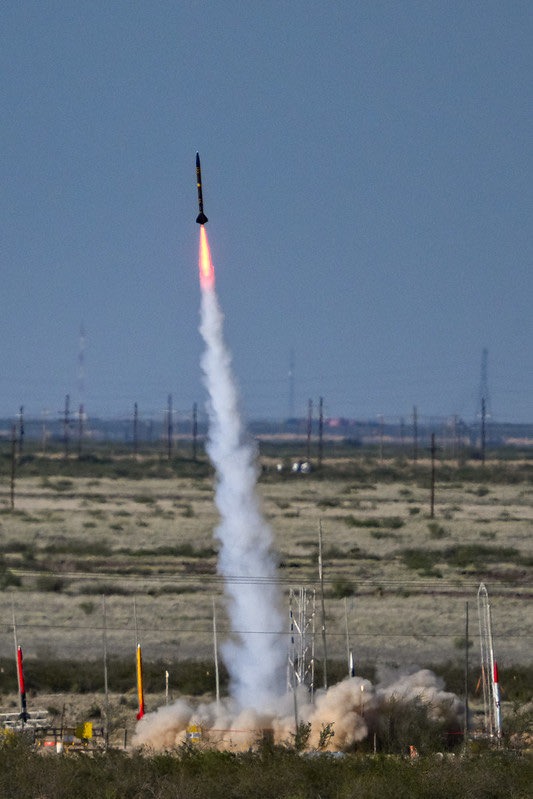
See the people, process, and presentation
Start with the clinic documentary, join the team in Texas, or jump directly to our competition podium presentation.
Written, recorded & edited by me
A faculty-requested promotional documentary introducing our subteam leads, their work, and what we learn—alongside footage of the team building the rocket.
Watch on YouTube ↗IREC 2026 / Competition recap
Our post-competition summary and highlight reel: the launch, the team, and the adventure of taking a year’s work to competition in Texas.
Watch on YouTube ↗Presented by James Lee & Brody Schneider
Recovery lead Brody Schneider and I presented our manufacturing method to the competition audience. This player starts at our presentation, 2:02:43 into the session.
Watch our presentation at 2:02:43 ↗01 / My contribution
As team captain, I worked on nearly every aspect of Night Owl. The role combined direct engineering work with responsibility for the direction and integration of the complete project.
Each subsystem had its own lead and team. My job was to connect their work: align interfaces, review decisions, resolve manufacturing and integration constraints, and keep the vehicle moving toward competition. The hardware and analyses shown here reflect that shared effort, with my involvement spanning the system.
Work across the vehicle’s mechanical, electrical, manufacturing, and testing activities, with attention to how each subsystem affects the others.
Coordinate subsystem leads, fabrication resources, project milestones, and the practical work of bringing a student-built vehicle to flight.
I wrote and assembled almost all of the technical report, bringing the project’s analysis, drawings, decisions, and test records to a consistent standard.
I wrote, recorded, and edited the clinic documentary and co-presented our charge-well manufacturing work with recovery lead Brody Schneider.
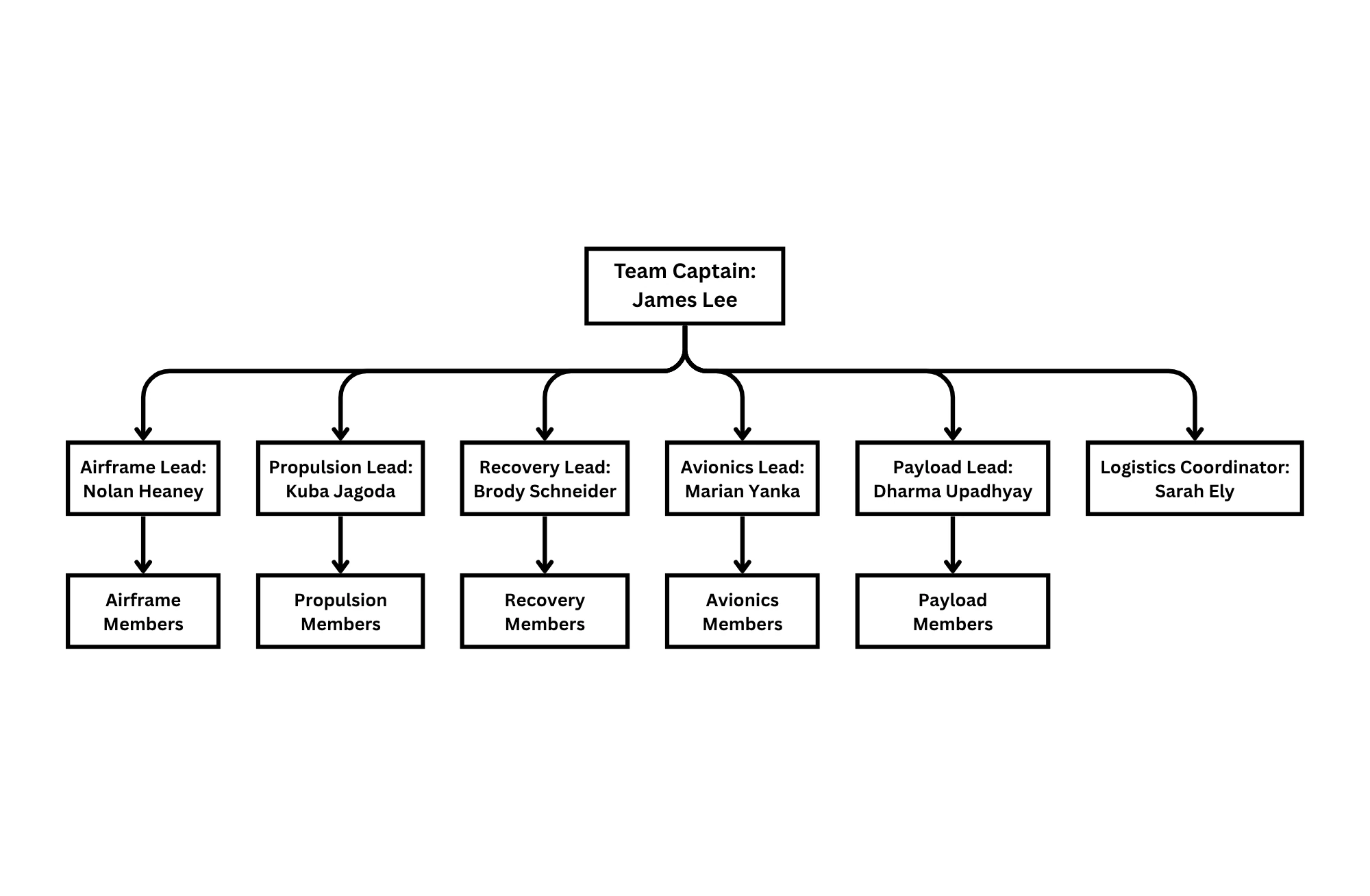
The project used shared Google Drive documentation, GitHub version control for engineering files, and a Gantt chart for subsystem and integration milestones. Weighted Quality Function Deployment matrices supported trade studies; Failure Modes, Effects, and Criticality Analysis organized risks and mitigations. These records helped turn decisions into work the next team could understand and continue.
Explore this section in the report · pp. 2–3 ↗02 / The mission & architecture
Night Owl was Rowan’s entry in the 10,000-foot COTS solid-motor category at the 2026 International Rocket Engineering Competition. The design combined a fiberglass airframe, an M-class motor, independent recovery electronics, radio tracking, and an enclosed environmental-monitoring payload.
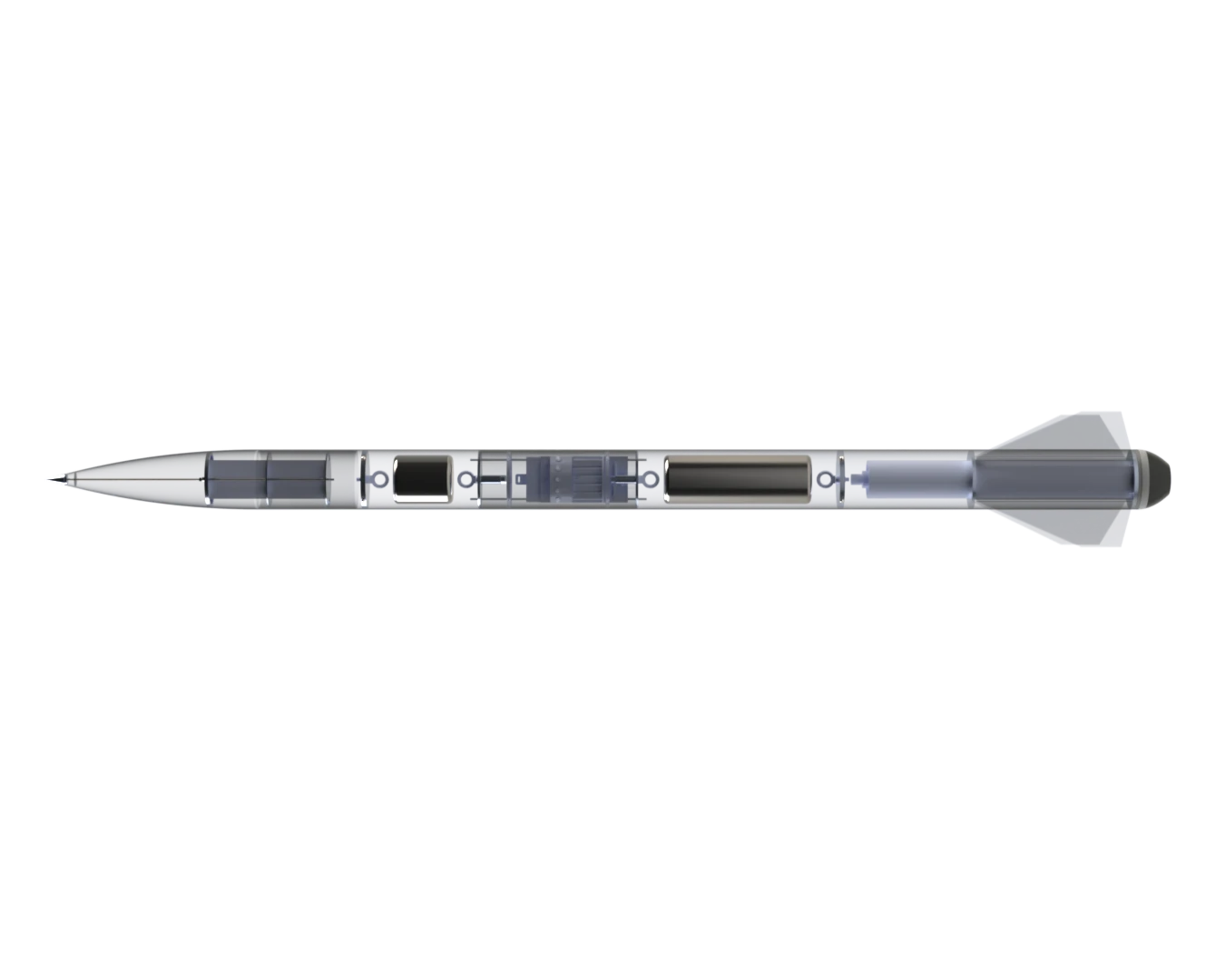
Nose cone, removable payload, payload support, and forward recovery hardware.
A fiberglass coupler and switch band, sealed by machined aluminum bulkheads, carrying flight computers and tracking hardware.
Main recovery compartment, motor mount, externally assembled fin can, and removable boat tail.
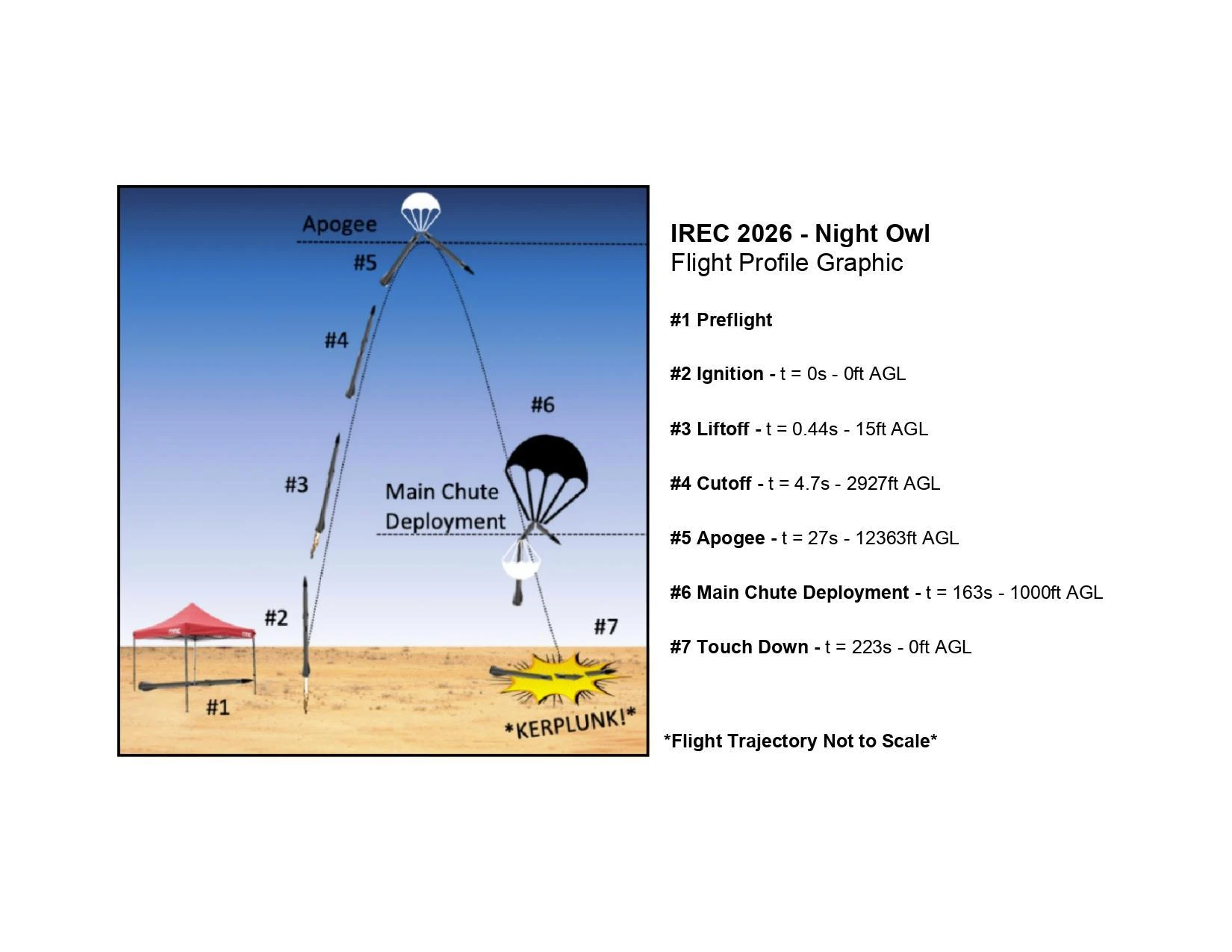
After launch preparation and arming, powered ascent transitions to coast. At apogee, the forward separation releases the drogue. A later separation deploys the main parachute, while telemetry supports tracking and retrieval. This is the nominal design sequence, rather than a claim that every event occurred as intended in the competition flight.
03 / Structures & manufacturing
The team compared body materials for durability, mass, dimensional stability, machining, cost, and radio compatibility. Fiberglass offered a practical balance and compatibility with available components. Nose-cone selection considered drag near the transonic regime alongside weight, material, and availability; the report’s trade study favored a shorter tangent-ogive profile.
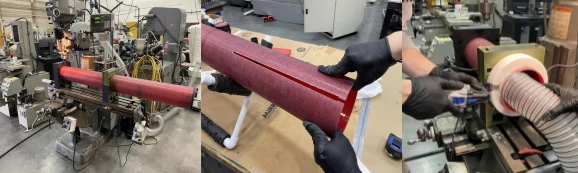
Rowan’s facilities could not accommodate fiberglass machining because of particulate concerns. Collaboration with the Camden County College CIM Center made the work possible. The team adapted an indexing fixture with printed supports to hold the tube securely, machine repeatable fin slots, and produce perpendicular length cuts. The fixture made alignment a controlled manufacturing operation.
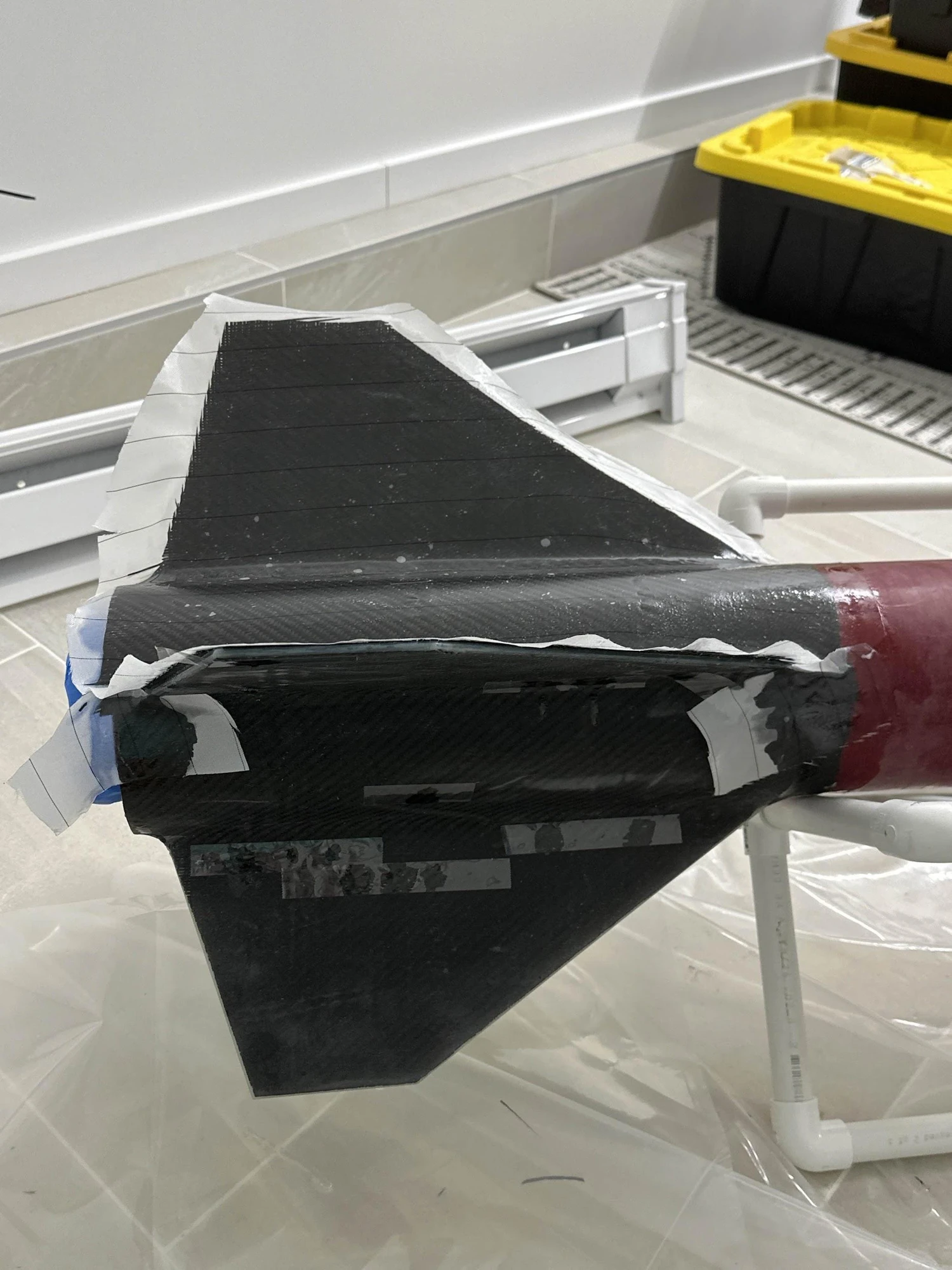
Trapezoidal G10 fins balanced stability, flutter resistance, fabrication, and availability. Three tapered carbon-fiber layers were laid tip-to-tip to increase stiffness and provide a continuous load path. Peel ply helped control the finish and excess resin. The work used US Composites 635 epoxy as a laminating resin, with colloidal silica added where thicker structural bonding was needed.
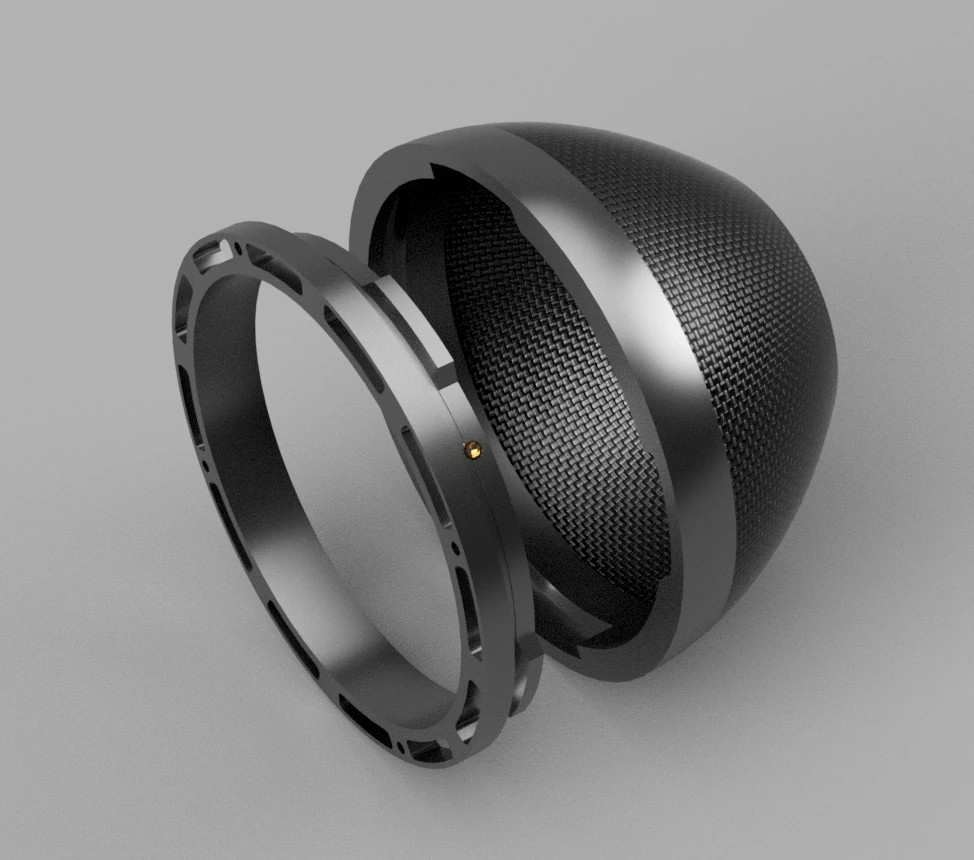
The parabolic boat tail used a carbon-fiber shell and a two-part PPA-CF printed locking interface. The assembly attached at the aft centering ring and allowed installation and removal without permanently enclosing the propulsion hardware. Its proximity to the motor made thermal resistance, fit, and retention part of the design.
04 / Modeling & verification
OpenRocket could not directly represent the parabolic profile, so the team compared transient CFD models with and without the boat tail. The study used a near-transonic condition of approximately Mach 0.964, compressible-flow effects, and an SST turbulence model, with boundary-layer mesh calculations supporting the setup.
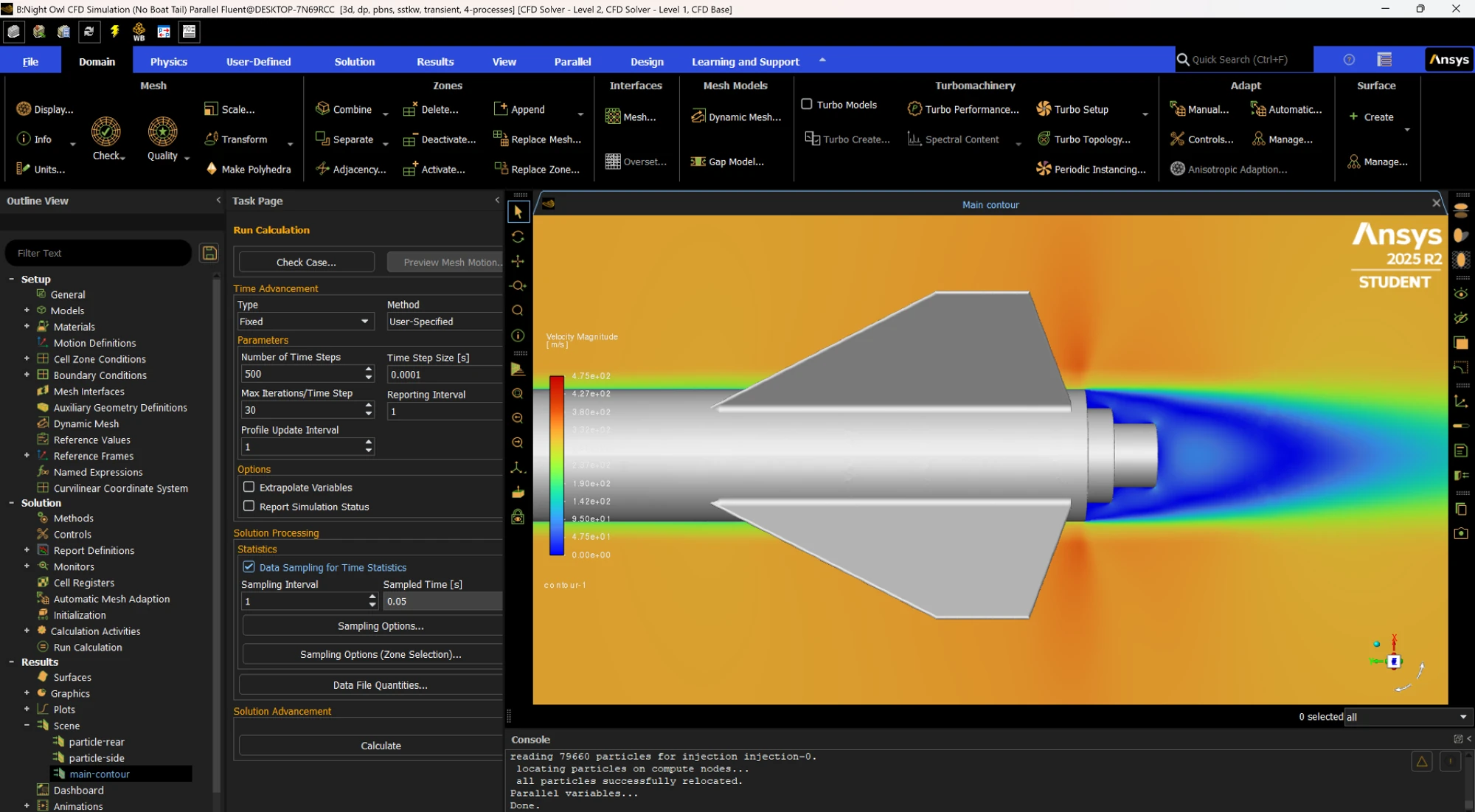
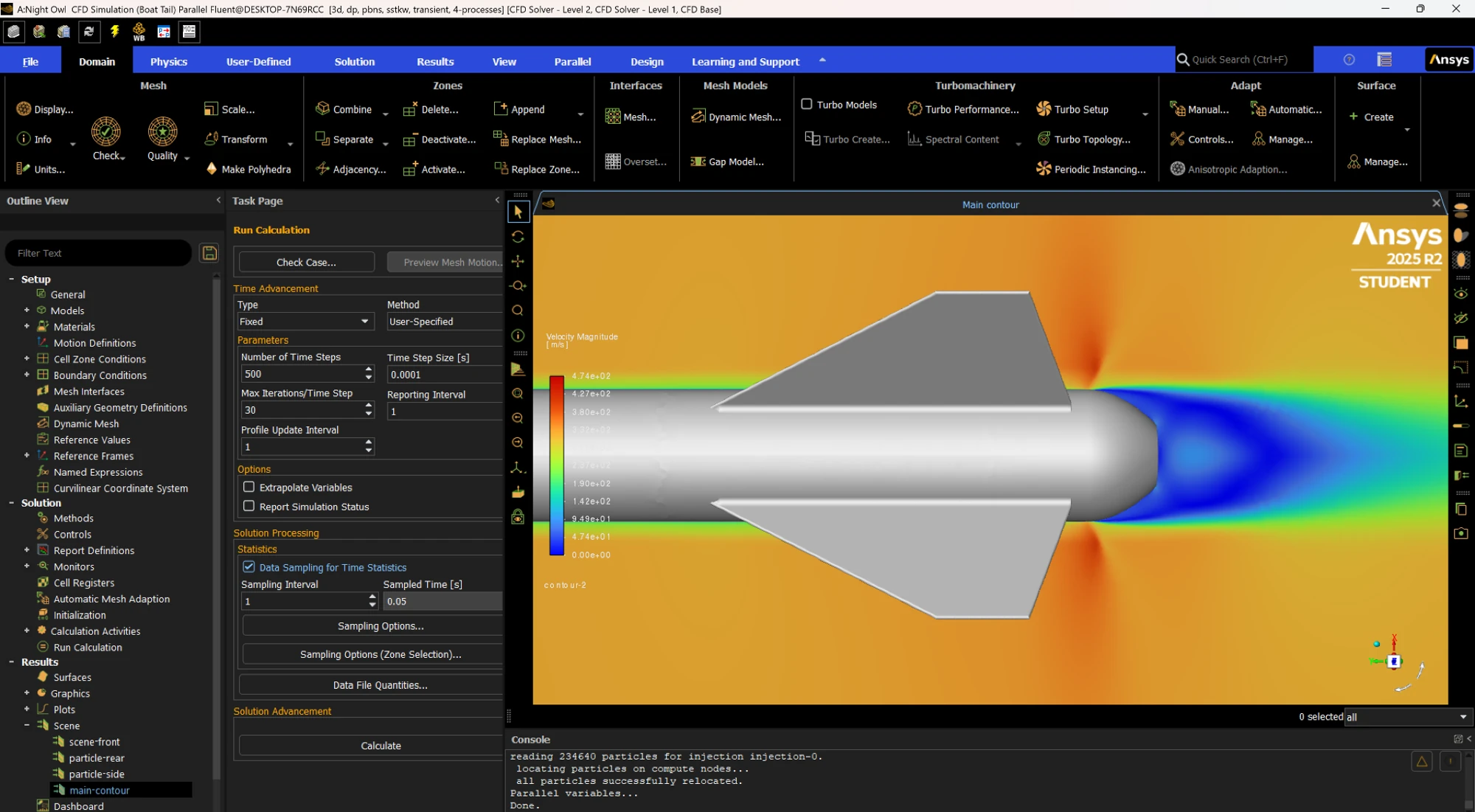
The simulated boat tail did not reduce drag at the examined peak-speed condition. Persistent aft flow separation suggested investigating a longer taper and other flight conditions. The study challenged the initial expectation rather than simply confirming it.
Incomplete G12 material data made physical testing important. The report documents compression testing and material-property estimates used to refine ANSYS buckling models. Its reported body-tube buckling load was about 21 kN, corresponding to a calculated safety factor of 9.13 under the modeled loading. These are analysis results tied to the model inputs.
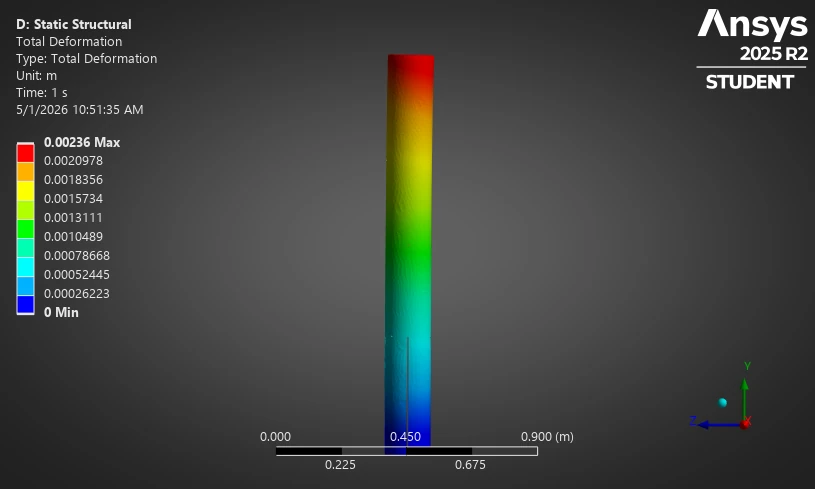
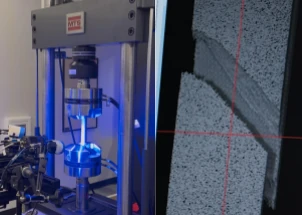
MATLAB flutter analysis drove the carbon reinforcement. G10 and carbon-fiber coupons were tested to estimate shear properties rather than relying entirely on incomplete supplier data. The report describes six tests, three per material, and uses the resulting stiffness estimates in the fin analysis.
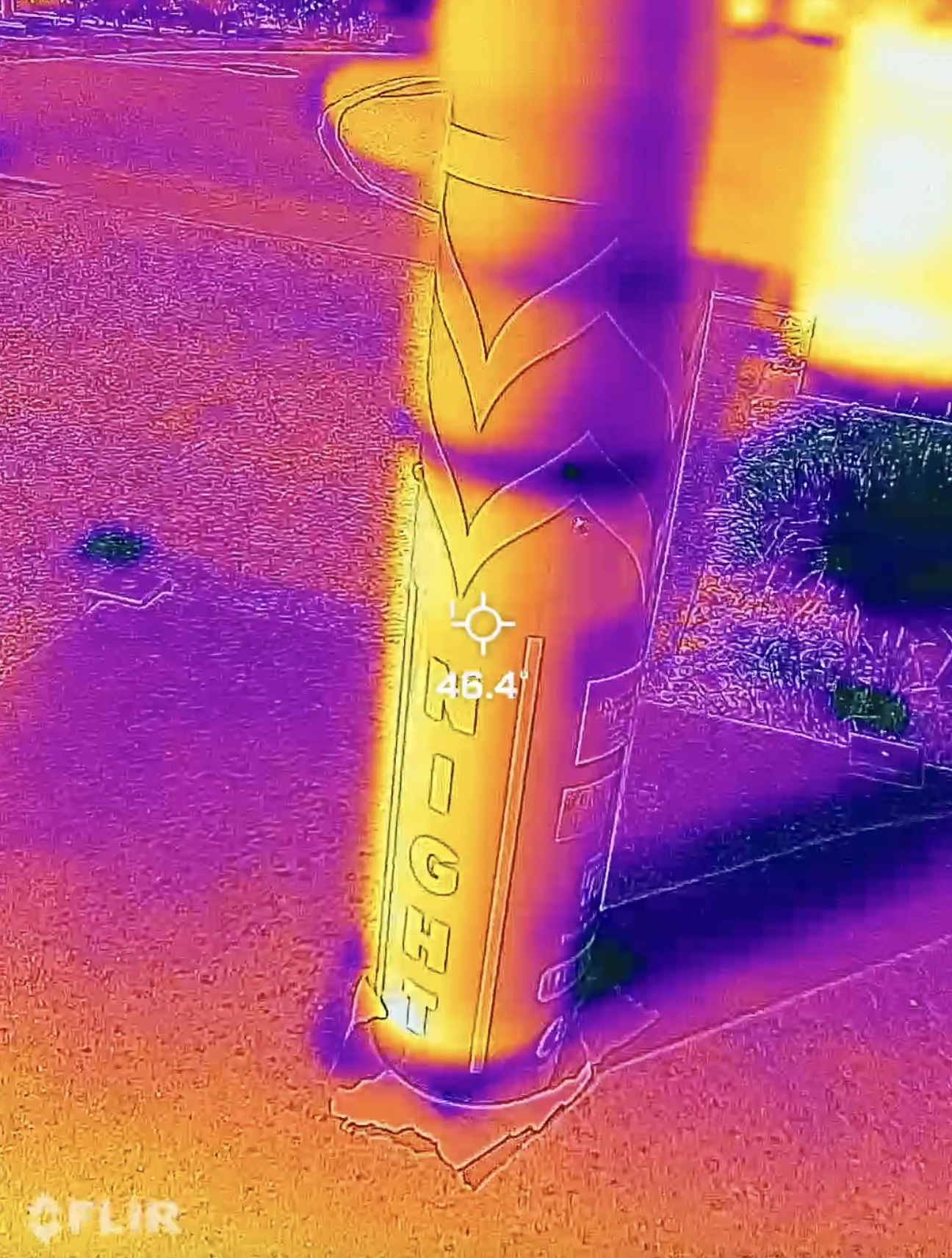
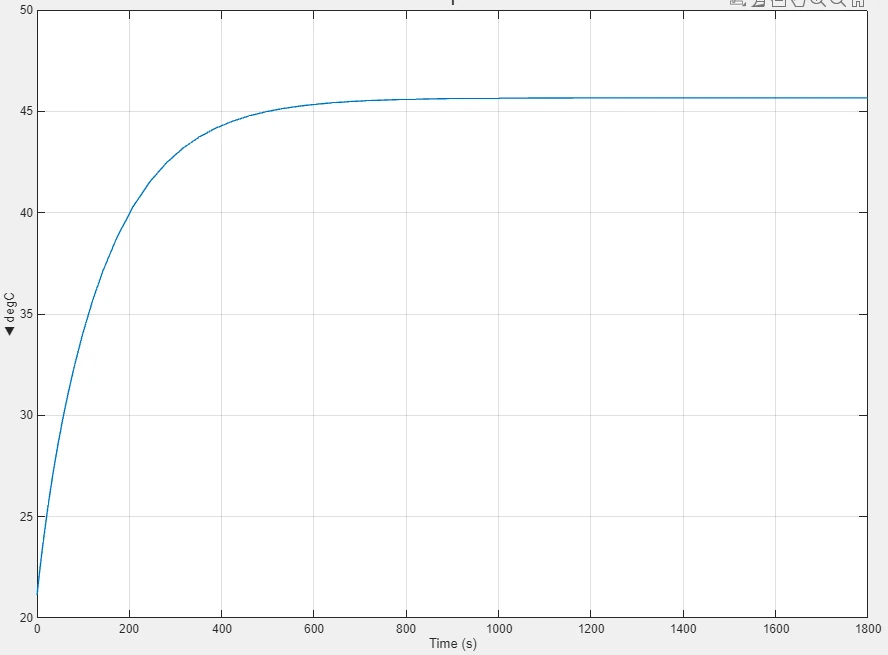
Night Owl’s dark finish made solar heating an engineering concern. A MATLAB Simulink model evaluated heat transfer into the avionics bay, while thermal-camera measurements checked surface predictions. The report estimated an internal battery temperature of roughly 47°C against the selected 60°C operating ceiling. This supported the paint choice for the modeled conditions.
05 / Propulsion & assembly
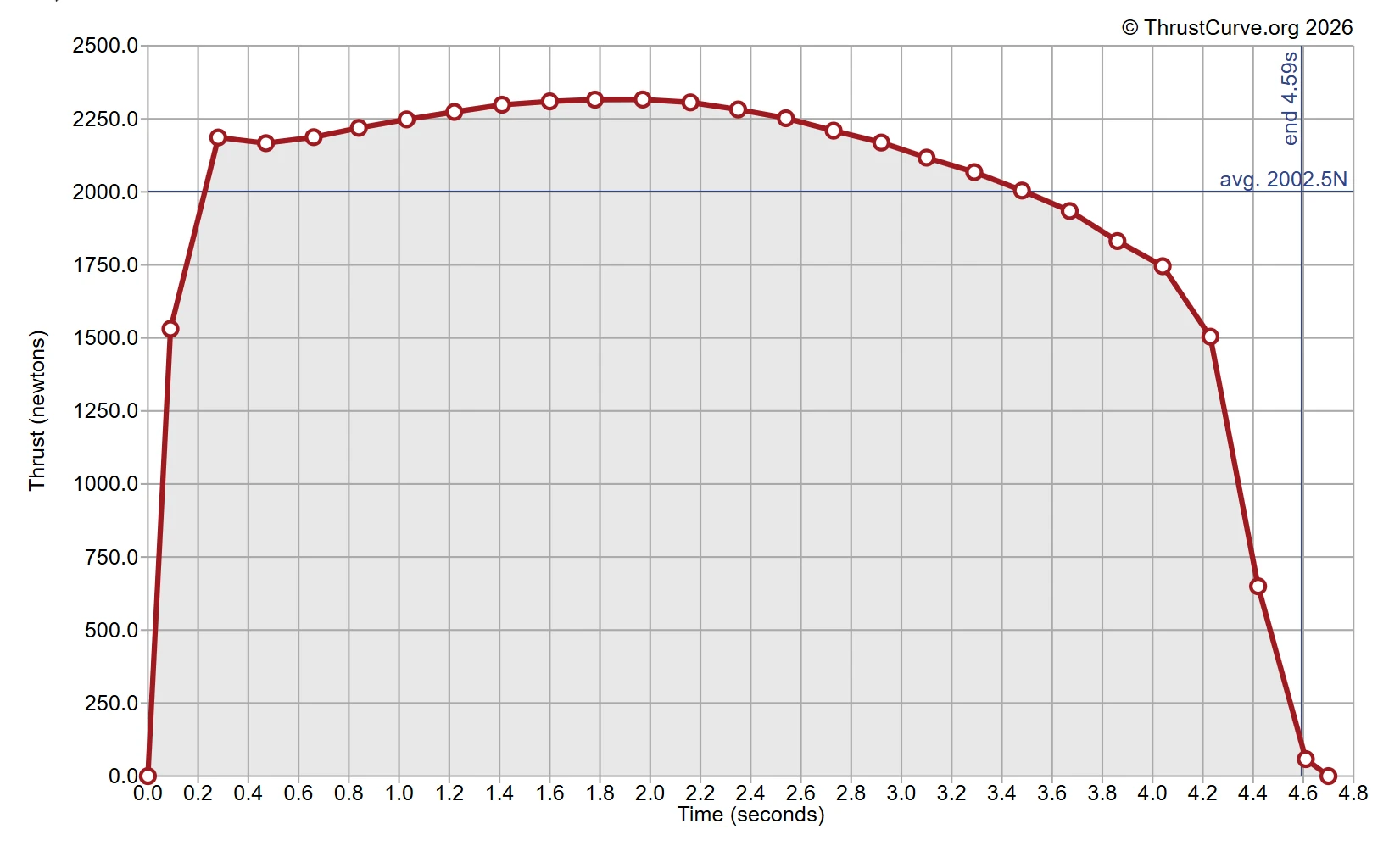
OpenRocket and RASAero II supported comparison of five candidate motors. Selection considered apogee, thrust-to-weight ratio, rail departure speed, expected Mach number, cost, and availability. The AeroTech M2000R met the design needs and used an existing stored motor, avoiding approximately $1,000 in additional procurement.
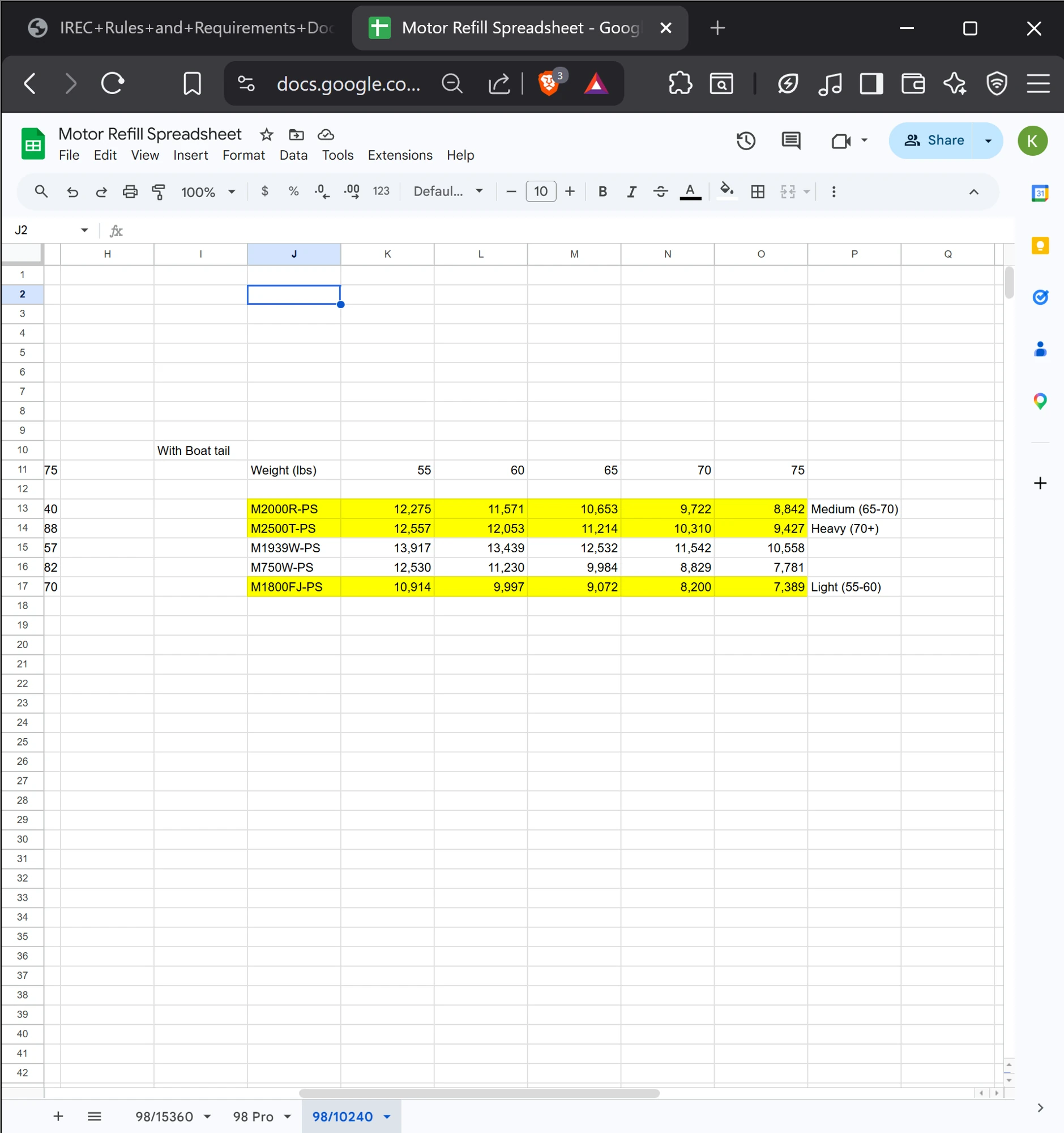
Student-machined 6061 aluminum centering rings and a Blue Tube motor tube formed the propulsion interface. The fins were aligned and bonded to the motor tube outside the airframe using printed jigs at 90-degree intervals. Accessible bonding surfaces made fillets easier to inspect and form before inserting the complete assembly into the sustainer.
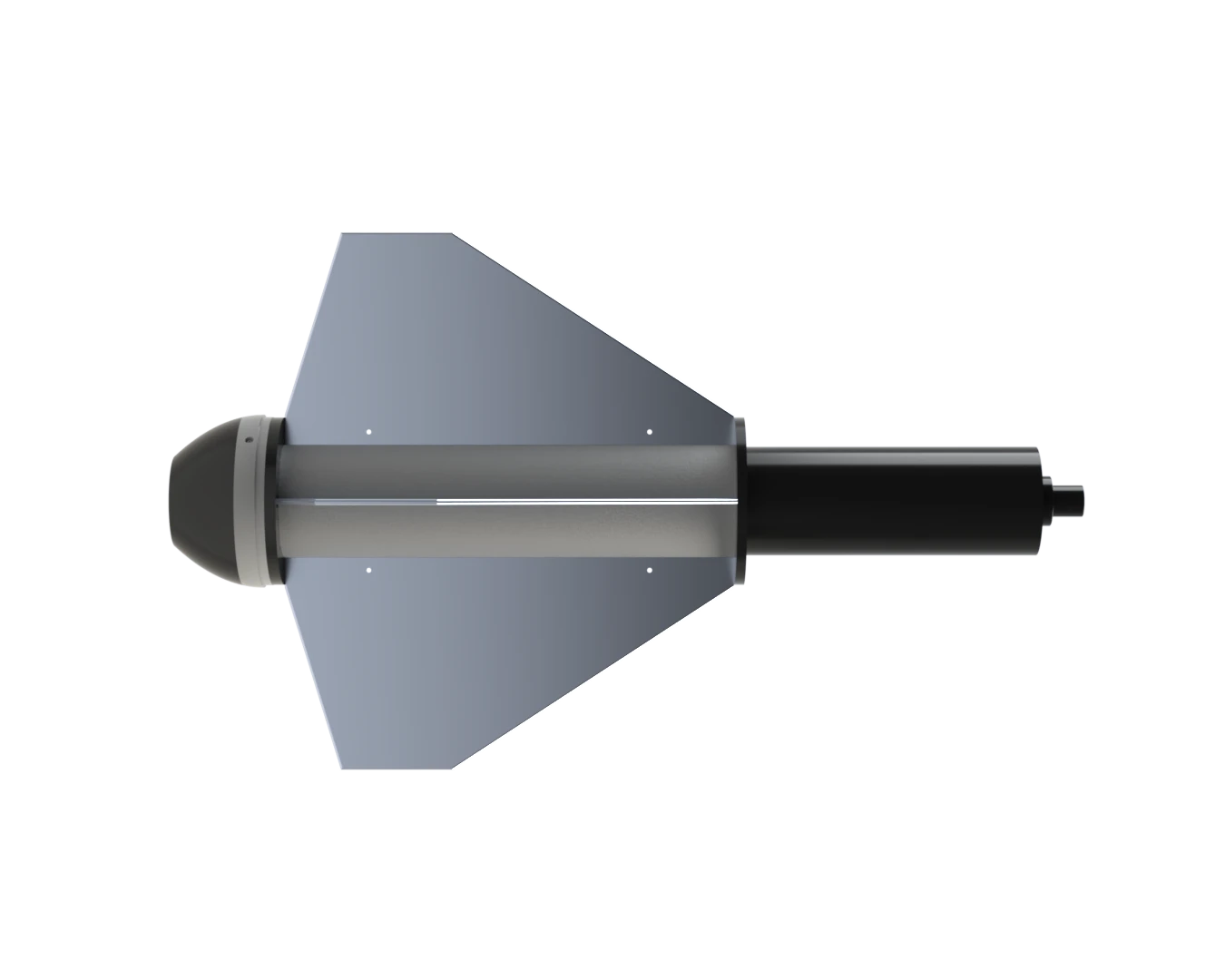
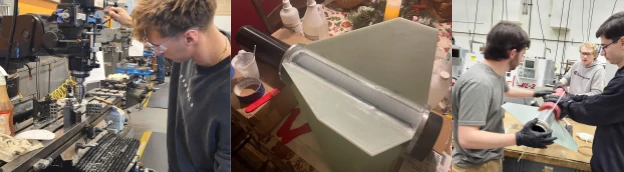
The airframe slots and aft relief cuts supported insertion of the finished assembly. This linked fixture design, tube machining, adhesive application, and final fit: the assembly strategy influenced the parts long before final integration.
Explore this section in the report · pp. 12–15 ↗06 / Avionics & embedded development
The report identifies the Featherweight Blue Raven as the primary recovery computer, with an Altus Metrum TeleMetrum providing independent backup. Featherweight GPS supported primary tracking, with TeleMetrum adding another tracking path. Independent power supplies were intended to preserve electrical isolation and limit common-mode failures.
The SRAD avionics effort evolved a previous-year board to add a radio transmitter, GPS receiver, and ST-Link debugging. It was treated as an experimental data and telemetry system, rather than a recovery-actuation system, because recovery-critical use required further validation.
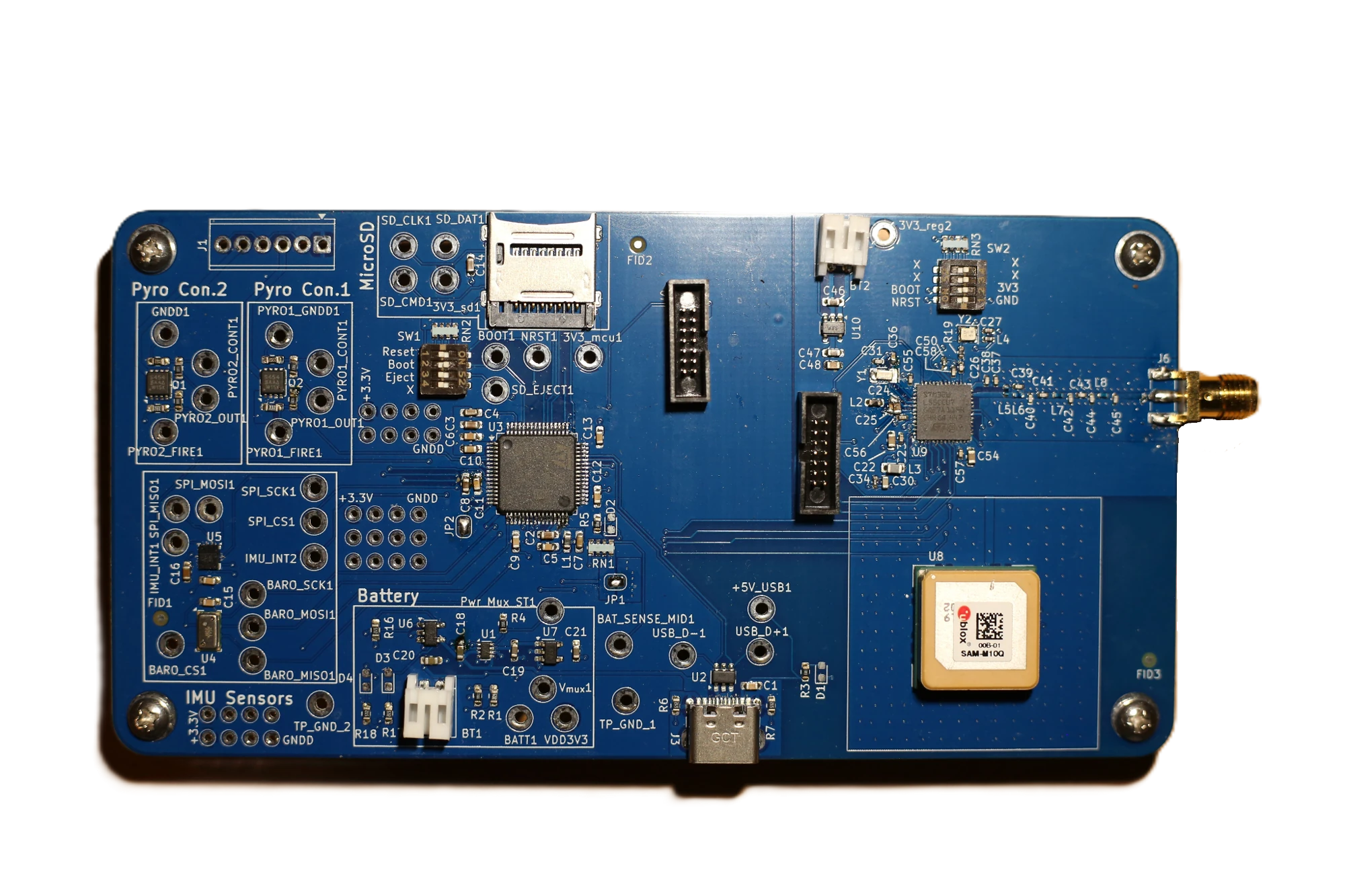
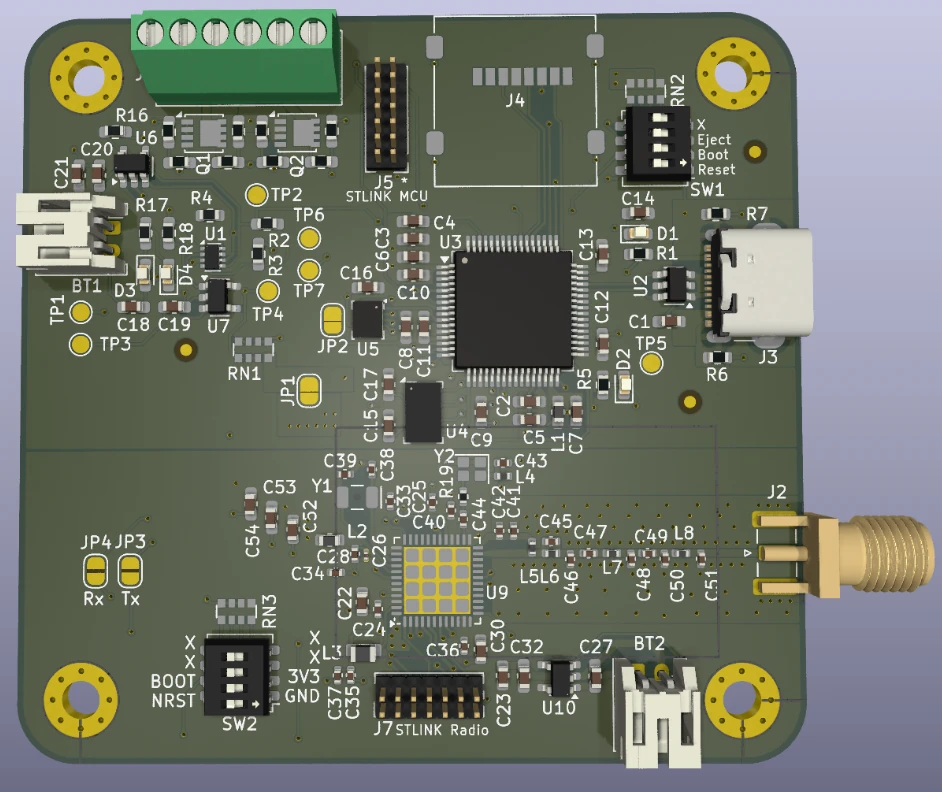
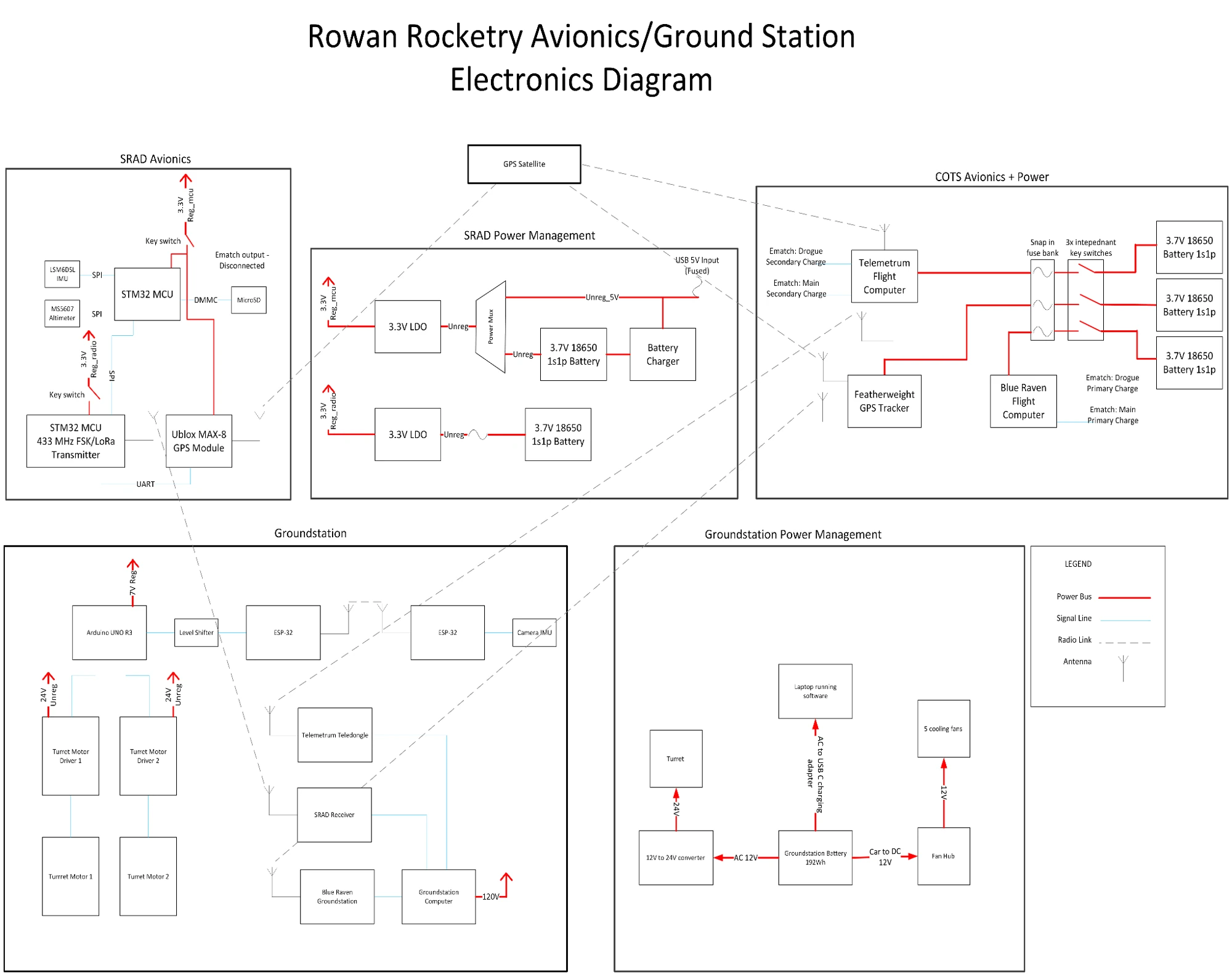
Accelerometer and pressure-sensor logs, together with GPS mapping in OpenCPN, provided evidence of testbed functionality. The report archive includes the underlying sensor plots, schematics, and board images.
Explore this section in the report · pp. 15–18 ↗07 / Recovery & podium presentation
Inconel 718 / Metal additive manufacturing
The redesigned charge well included an internal e-match routing channel intended to position ignition at the top of the charge volume. That channel made conventional subtractive fabrication impractical and led to selective laser melting at Rowan’s Digital Engineering Hub.
Inconel 718 provided a high-temperature-capable metal structure. After printing, heat treatment supported post-processing, and the threaded mounting interface was finished for fit. The recessed installation preserved a clean bulkhead face and protected the well within the avionics-bay interface.
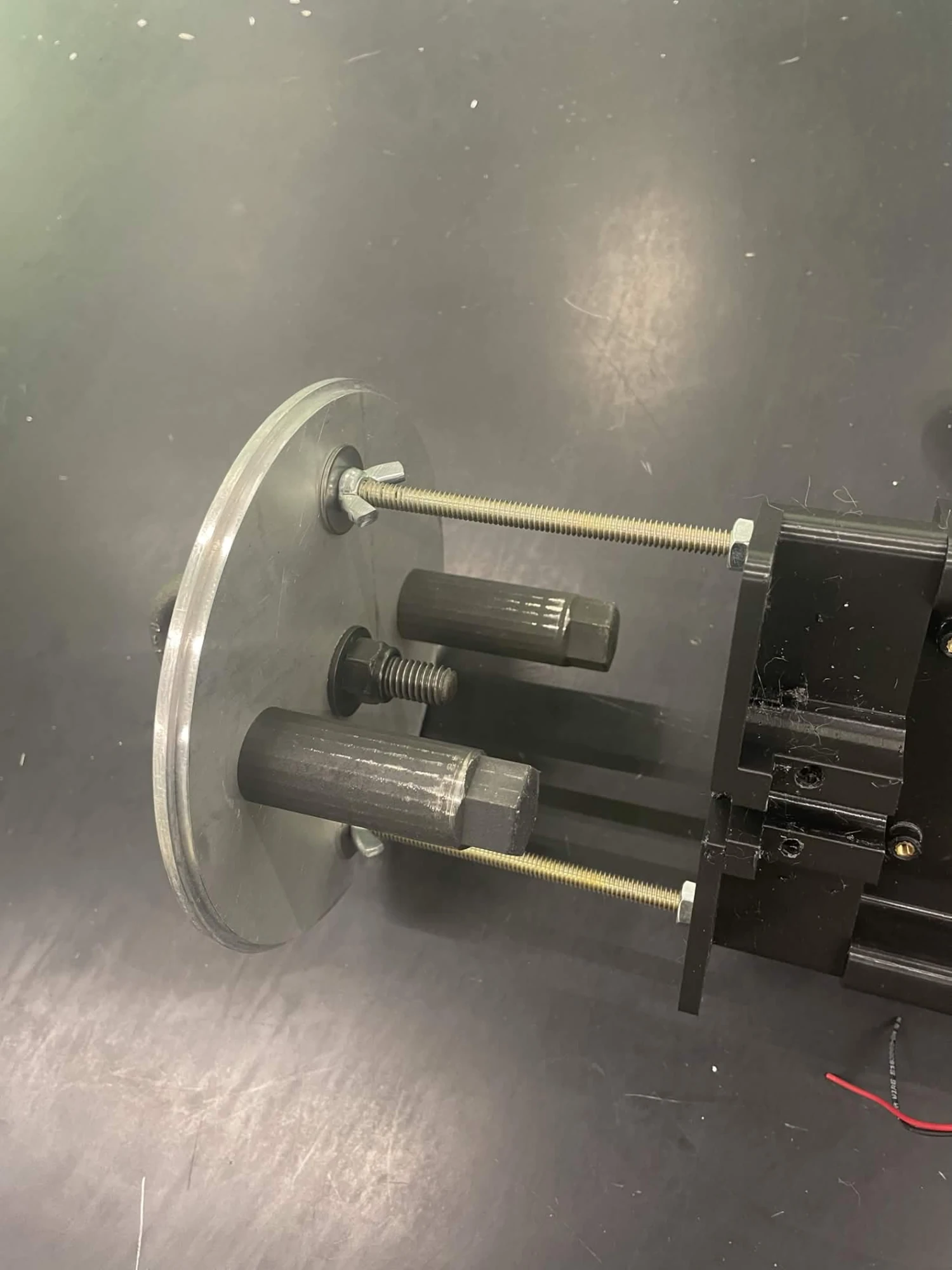
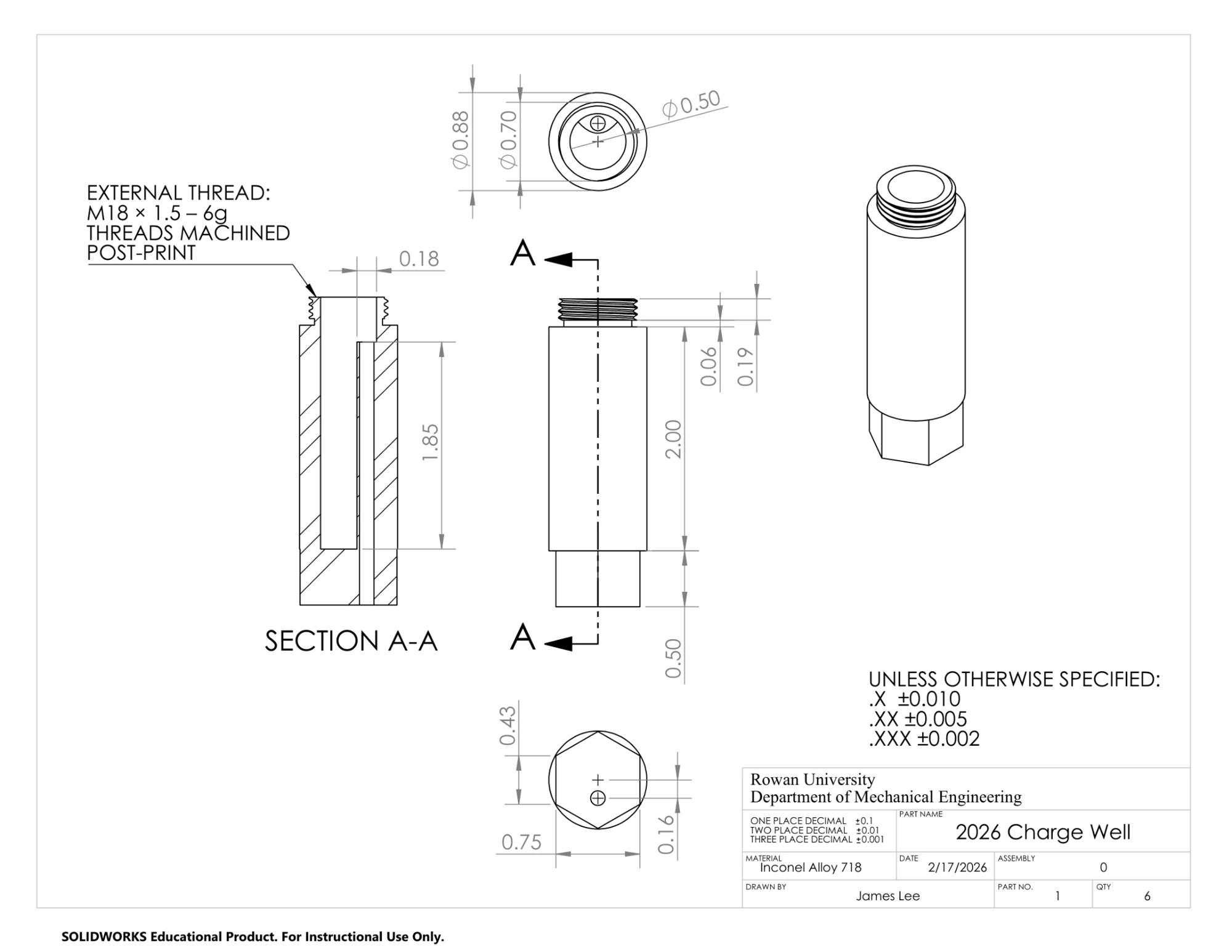
Brody Schneider, our recovery lead, and I presented the manufacturing work at IREC. Rowan was one of 22 teams selected from 140 for a special podium presentation. This was an opportunity to explain the design rationale and fabrication process to a large technical audience.
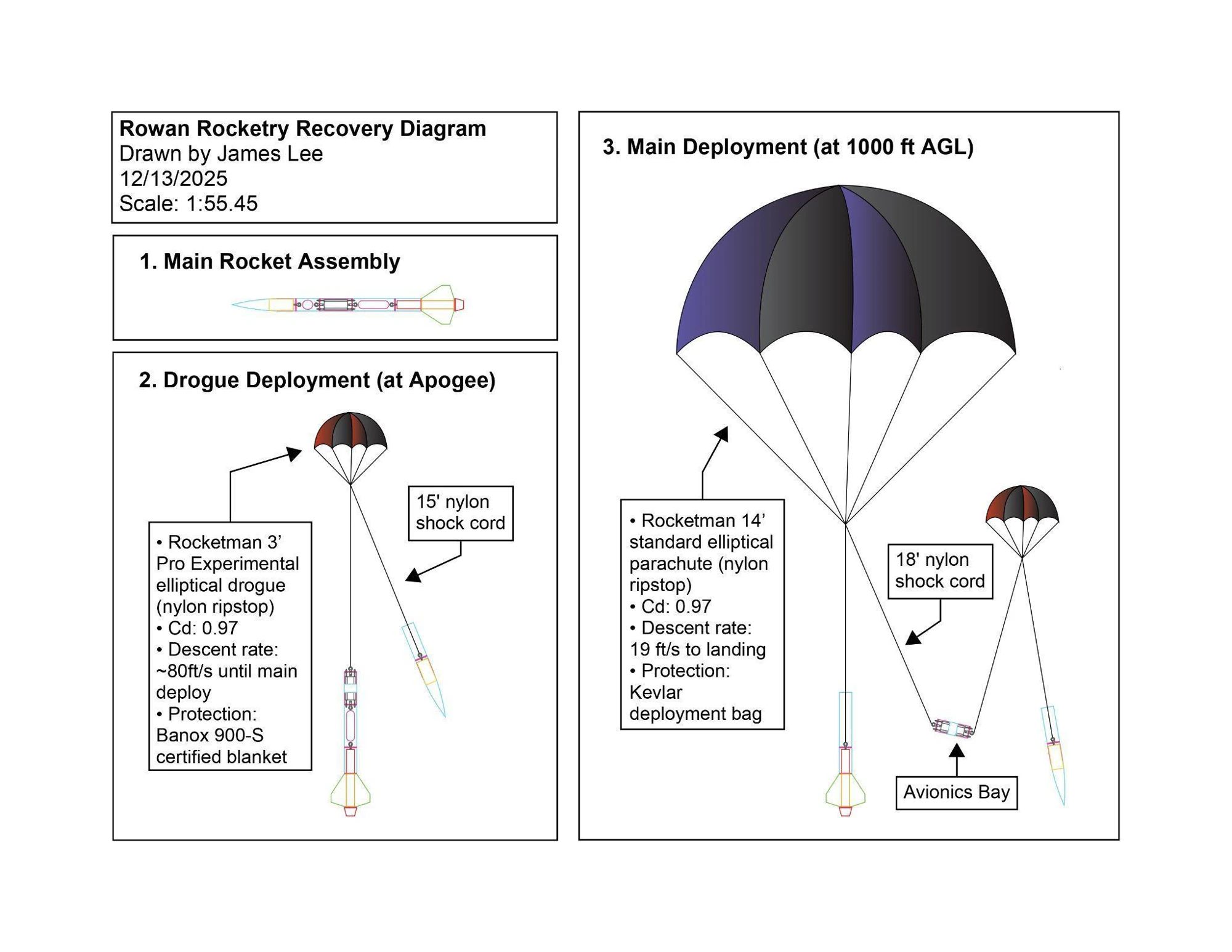
The recovery design paired a drogue at apogee with a main parachute at low altitude. Separate separation points, independent flight computers, and physically separate charge and wiring paths were intended to provide redundancy. Canopy protection and simplified packing were also part of the integration work.
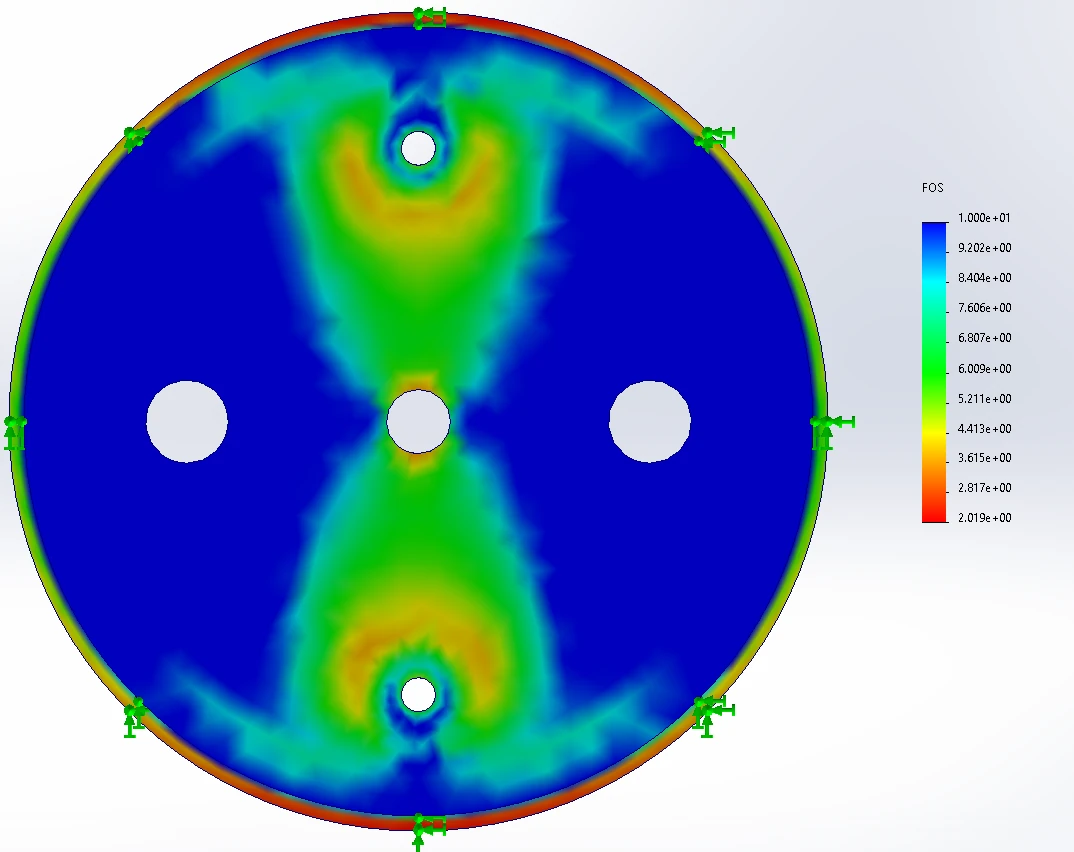
Parachute trade studies considered descent rate, drift, and deployment loads together. Bulkhead finite element analysis used a 1,250-lbf load case, with the report listing safety factors of approximately 1.6 for middle bulkheads and 1.7 for outer bulkheads. The design and analyses are documented separately from the actual flight outcome.
08 / Communications & ground support
The telemetry architecture combined 70-cm links for TeleMetrum and the SRAD system with 33-cm Featherweight GPS tracking. Different systems supplied position, flight state, altitude, and other telemetry to operators on the ground.
The ground station included a manual Yagi and a semi-autonomous pointing turret. An ESP32-based handheld Commander used an inertial measurement unit to measure the operator’s pointing direction, then transmitted it to an ESP32 controlling the antenna’s azimuth and elevation.
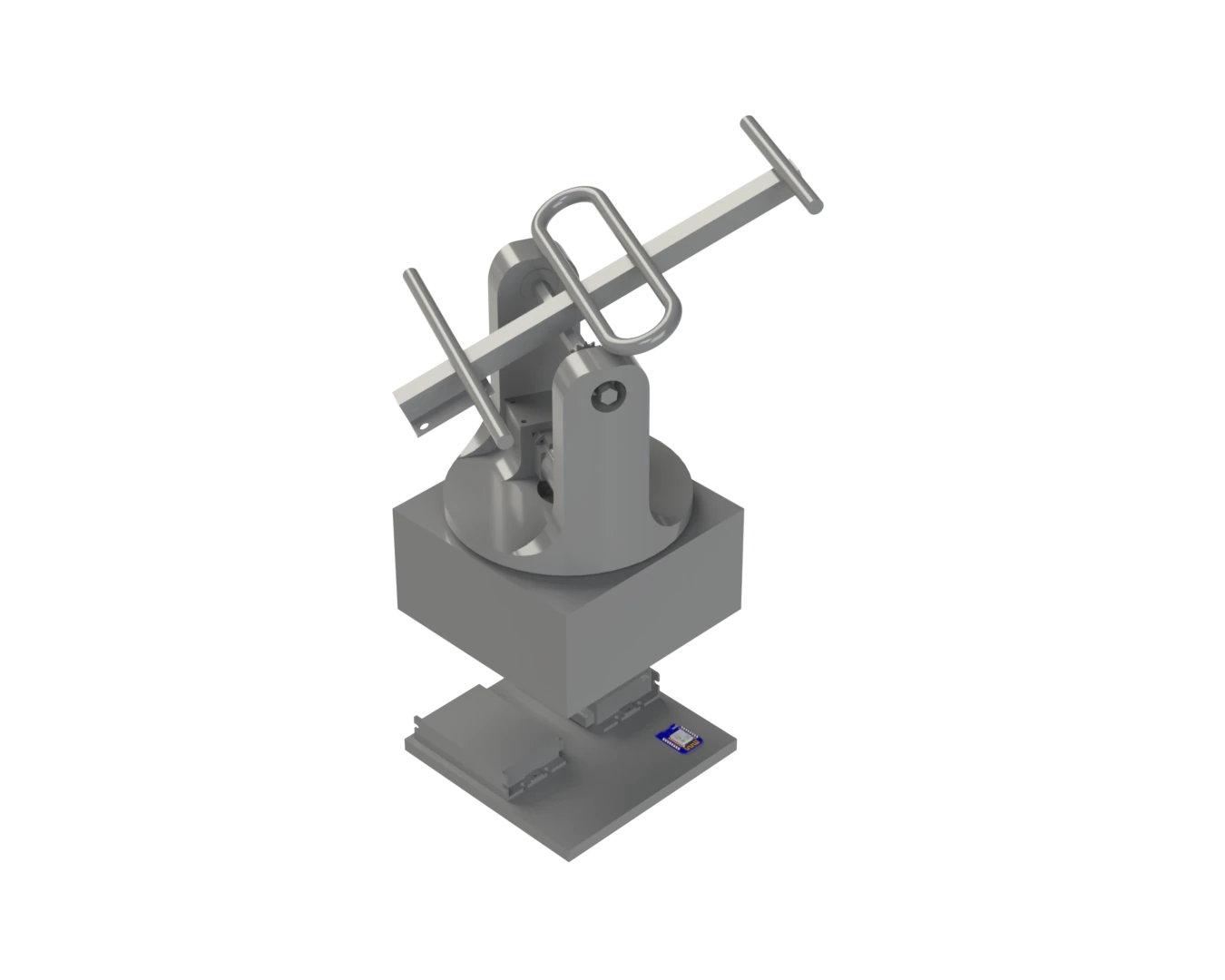
For this season, the turret was a human-guided pointing aid. The design established the mechanical platform and control link; GPS-directed autonomous tracking was future development rather than a completed capability. A field case protected the laptop and support hardware during launch operations.
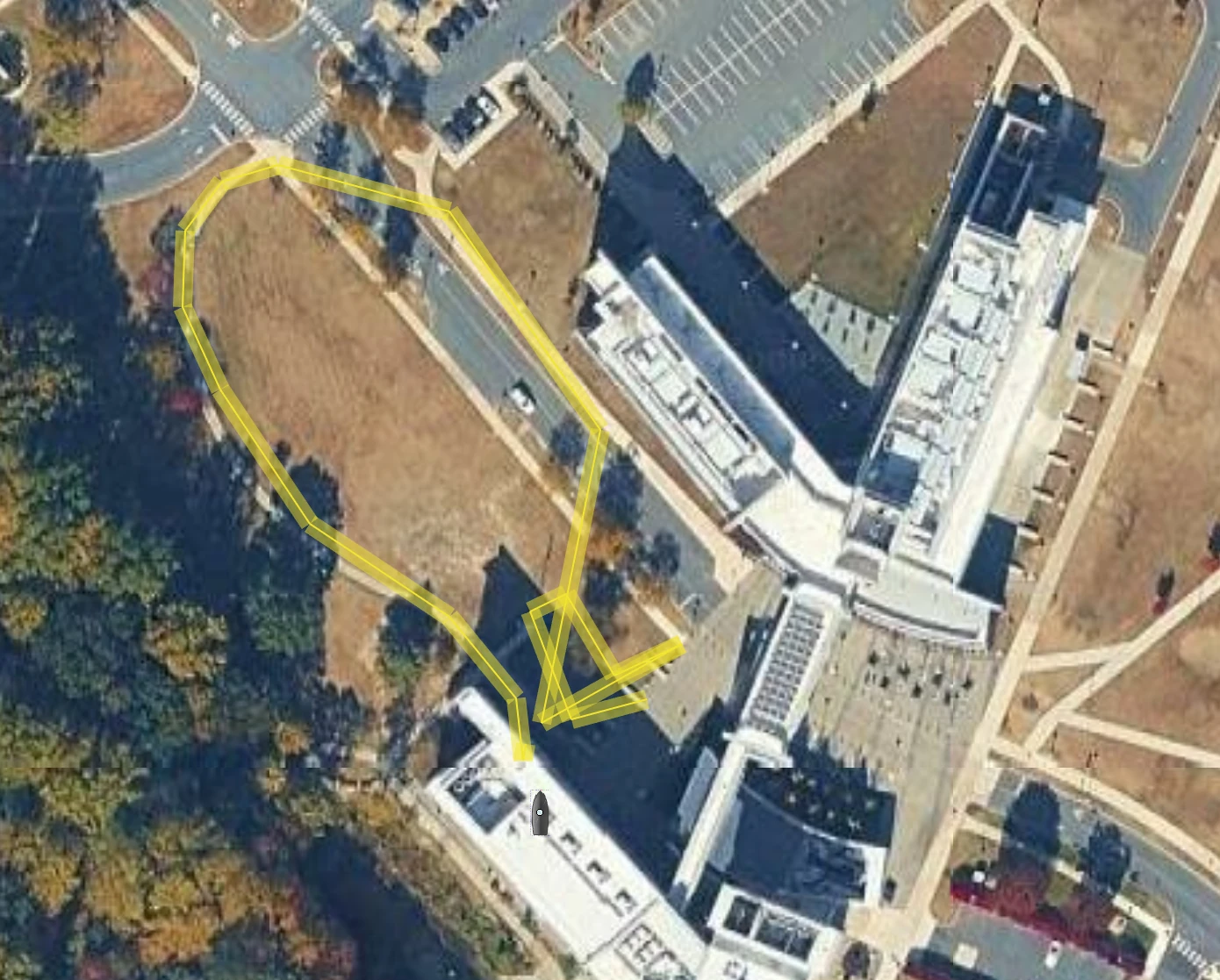
09 / Environmental-monitoring payload
Night Owl carried an enclosed 10 × 10 × 30 cm payload, distinct from the prior year’s deployable Lil Planty rover. The environmental-monitoring concept used nested aluminum boxes with insulation between them and onboard sensing of temperature and pressure.
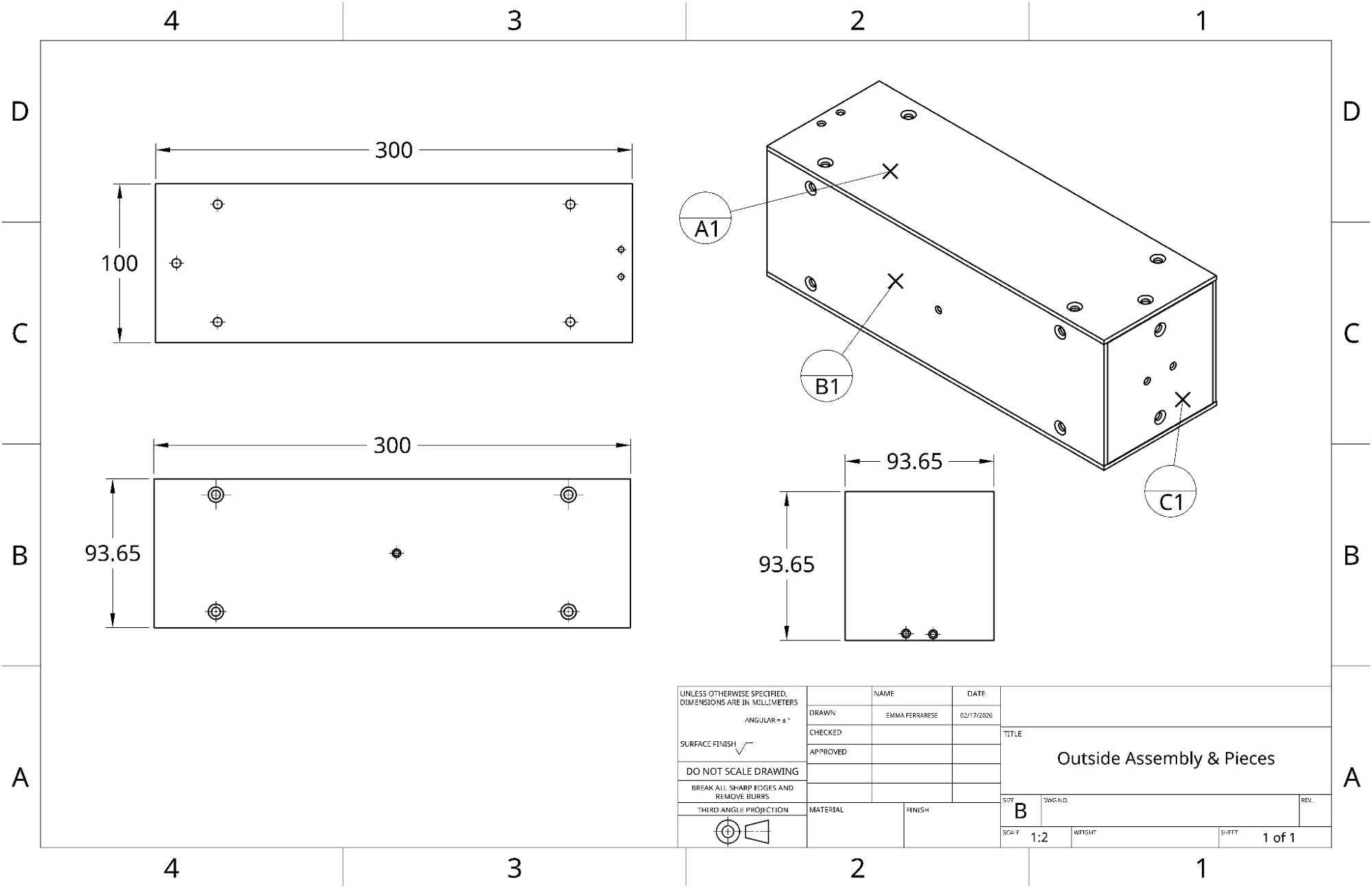
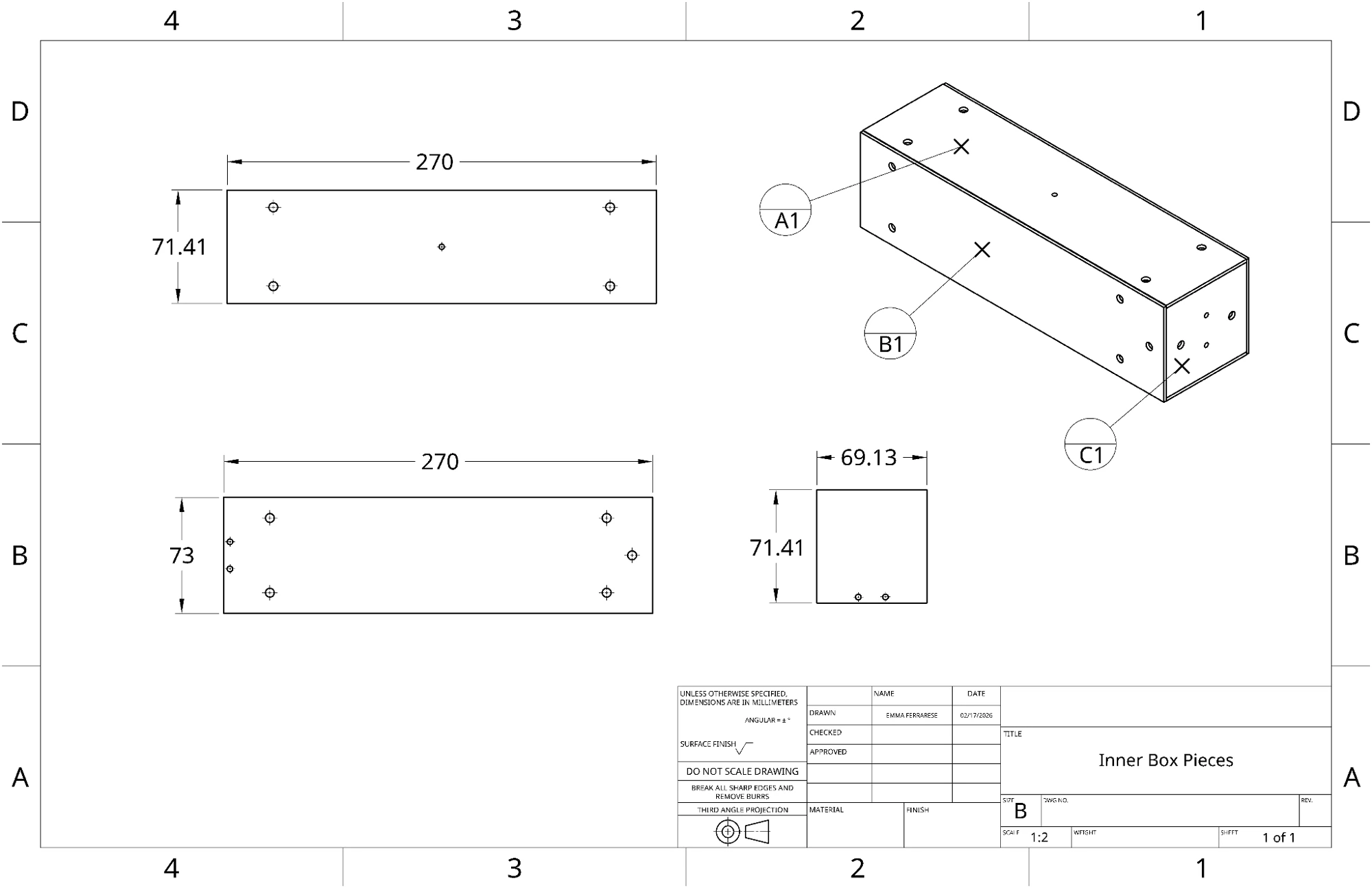
The internal electronics used an Arduino Nano Every and BMP280 sensor on a protoboard mounted with standoffs. The design addressed electrical isolation from the aluminum enclosure, wire restraint, thermal exposure, accessibility, and the competition’s 2-kg payload requirement.
The payload remained enclosed during flight and was removable for weighing, inspection, and access to the stored data. Its interfaces and mass were part of the vehicle’s broader packaging and recovery design.
Explore this section in the report · pp. 21–22 ↗10 / Testing, risk & operations
Verification covered structural and material behavior, component fit, avionics functionality, telemetry, recovery separation, and complete-vehicle integration. The report brought these activities together with hazard analyses, risk assessment, and operating checklists.
Ground-test record / April 2026
The report records successful separation and deployment in the documented main-recovery ground test.
Explore this section in the report · pp. 31 ↗Ground-test record / April 2026
The documented nose-cone/drogue test also records successful separation and deployment.
Explore this section in the report · pp. 32 ↗The risk assessment covered fabrication, assembly, launch, ascent, recovery, landing, and tracking. It paired possible causes with mitigations, likelihood, and severity. The operations checklists addressed structural inspection, motor retention, recovery packing, independent electronics, continuity, GPS acquisition, pad readiness, and post-flight inspection.
Ground-test success is evidence for a particular configuration and test condition. It does not by itself establish that every flight environment or deployment path has been validated. That distinction matters when judging the complete system.
11 / Competition & reflection
Competition flight
9,416feet achieved
Night Owl flew to 9,416 feet against the category’s 10,000-foot target—a difference of 584 feet, or 5.84%.
The competition brought the design out of simulations and the workshop and into a real launch environment. The highlight reel captures that transition and the people who made it happen.
Watch the Texas competition recap ↗Technical communication
The technical report placed among the top 10. I wrote and assembled almost all of it, and its standard of quality is one of the achievements I value most.
Podium recognition
Our selection made room to share the Inconel charge-well manufacturing method with the wider competition audience.
This page combines the pre-competition design and test record with the competition altitude and recognition. Predicted performance throughout the report should be read as prediction, rather than measured flight data.
12 / The complete engineering record
The 68-page technical report is the most complete record of Night Owl’s design. It brings together subsystem descriptions, analyses, manufacturing methods, drawings, risk assessments, and checklists.
I did almost all of the report’s writing and assembly, drawing on our team’s engineering work and subsystem contributions. Building a coherent, technically detailed document was a major part of my role—not simply a final deliverable after the hardware was finished.
All 55 embedded report figures are available below, with links to their original pages. Select any image to open it at full size. Reference figures and previous-year hardware are labeled accordingly.
Showing 12 of 55 figures
A team effort
Night Owl reflects the work of our subsystem leads and members, faculty advisors, shop staff, and manufacturing partners. Rowan’s Digital Engineering Hub and Camden County College’s CIM Center helped make key fabrication work possible.
Next: Lil Planty, my 2025 payload project ↗← All projects